
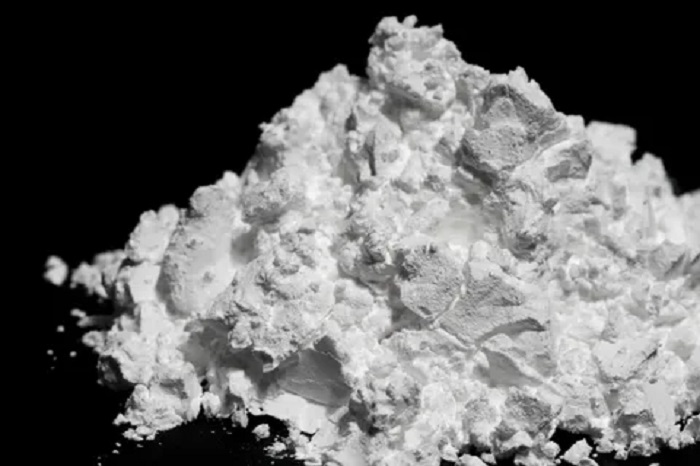
Europium oxide is an inorganic chemical compound of the rare earth element europium with oxygen, which is used in the production of phosphors, optical materials, electronic components and specialized ceramics. Due to its characteristic luminescent properties and the ability to impart certain optical characteristics to materials, europium oxide is important for modern technologies and industrial production.
Properties and features of europium oxide
The best known form of the compound is europium(III) oxide with the chemical formula Eu₂O₃. It is usually a white or slightly pinkish powder. The substance has a high melting point, resistance to heat and characteristic properties of rare earth oxides. Moreover, its behavior depends on environmental conditions, material composition and processing technology.
Europium oxide is of interest primarily due to the optical characteristics of europium. Ions of this element are capable of producing an intense glow of certain colors when properly excited. Therefore, the connection is in demand in technologies that require:
- obtain stable lighting effects;
- improve color rendering;
- control the properties of luminescent materials.
Where is europium oxide used?
One of the main areas of use of the substance is the production of phosphors. Europium compounds, as well as gadolinium oxide, are used to create a red glow in materials used in displays, lighting devices and other optical systems. The specific effect depends on the chemical composition of the phosphor and the conditions of its production.
Europium oxide is also used in the production of specialty glasses and ceramic materials. The addition of compounds of rare earth elements and hafnium allows you to change the optical characteristics of products, so they are in demand when creating components for scientific equipment, instrumentation and electronics. Another area of application relates to the development of functional materials used in research and high-tech manufacturing processes.
In addition, europium oxide can act as a starting material for the production of other europium compounds. Such materials are used in laboratory research and in the development of new compositions with specified physical and chemical properties.