
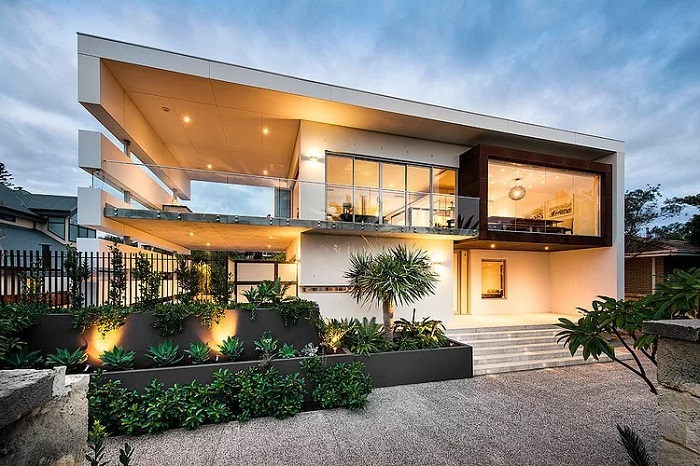
Photographs can make you fall in love with a property in seconds: a bright living room, a sea view, a tidy courtyard. But true comfort begins where the camera usually falls silent—in the noise coming through the walls, the odors drifting in from the ventilation system, how quickly laundry dries, and how easily everyday household issues can be resolved.
To avoid a mistake, it is essential to view a home as a living system rather than just a static image with Mavato.com. Even if you are skilled at selecting properties online, the final impression is shaped by the details: infrastructure, building systems, house rules, the local climate, logistics, and the quality of property management.
Silence, light, and the «sense of space» in real life
Comfort is often compromised not by the floor plan, but by background noise. Nearby, there might be a school, a construction site, a busy road, a bar, a waste collection area, or air-conditioning compressors on the roof. Don’t just check if it’s quiet during the day—observe the area in the evening, at night, and on weekends, as the rhythm of a neighborhood can shift significantly.
A practical tip: stand in each room with the air conditioning off—first with the windows closed, then with them open. Listen for sounds from the elevator, the plumbing, the ventilation system, and footsteps from the floor above.
Natural light and orientation
In photographs, light is often «curated» through the timing of the shoot and post-processing. In reality, what matters is the orientation of the windows, the depth of the rooms, and the presence of overhangs or neighboring buildings that might block the sunlight.
In a hot climate, an excess of sunlight can lead to overheating, while in a cooler climate, it can provide valuable warmth and savings on heating costs.
Assessing without specialized equipment: pay attention to the floor temperature near the windows versus in the center of the room, check for signs of sun-faded surfaces, and observe where glare appears—these factors often reveal how «hot» a home tends to get.
Odors, Humidity, and Ventilation
A comfortable home is one free from persistent smells—whether it’s dampness, cooking odors from neighbors, or sewage. In coastal areas or on ground floors, high humidity can become a chronic issue, leading to mold, respiratory discomfort, damaged textiles, and warped furniture.
- Check the bathrooms: is the exhaust ventilation working, is there a window, and is there any condensation on the pipes?
- Examine the windows: do they open easily, and are there options for ventilation or fitted mosquito screens?
- Inspect the corners and the spaces behind wardrobes—these areas often serve as «indicators» for mold and poor air circulation.
Conclusion: Comfort is something you experience firsthand within the first 24 hours, not something you can discern from photographs.
While photos are useful for evaluating style and layout, they almost never capture the elements that truly define comfort: quiet, warmth, functional convenience, reliable internet, and the overall ease of daily living. A home abroad truly becomes «yours» not when it looks perfect, but when you can live in it with ease, without having to make constant compromises.
To avoid disappointment after moving in, focus less on the property’s appearance and more on how it accommodates your daily life—how you work, relax, cook, sleep, do laundry, park, get around, and handle everyday chores. The fewer «unexpected complications» you encounter in these routines, the more likely it is that your home will be genuinely comfortable.
A quick checklist before making your final choice
- Quiet and indoor climate: check for noise levels during the day and evening; evaluate the ventilation, heating, and air conditioning; and look out for issues with humidity or unpleasant odors.
- Sleep and privacy: ensure there is a comfortable mattress, effective blackout options (to block out streetlights), solid doors, and adequate soundproofing.
- Hassle-free daily living: check for a reliable hot water supply, good water pressure, well-functioning plumbing and appliances, and a sufficient number of electrical outlets.
- Internet and connectivity: verify the actual speed and stability of the connection, check mobile network coverage inside the home, and have a backup plan (such as a portable router or a local SIM card).
- Security and access: assess the entrance area, lighting, intercom/locks, and parking, and make sure you understand the rules for both the building and the neighborhood.
- The reality of the location: test the actual routes to shops, public transport, or your workplace—don’t just rely on what you see on a map.
potential noise from bars, roads, or construction sites.
- Communication and rules: how and by whom are repairs handled? What are the response times, deposit requirements, utility billing, and the terms for move-out and cleaning?
- Align your expectations with your actual lifestyle: remote work needs, children, pets, seasonal factors, and whether a car is necessary.
- Ask clarifying questions: utility bills, usage limits, repair procedures, noise from neighbors, and the type of heating/cooling system.
- Get key details in writing: what is included in the price, who pays for utilities, and what the penalties or termination terms are.
The rule for your final choice: if you can clearly envision your day-to-day life in the home—and most of your requirements are met without any caveats—then it’s a strong candidate. If the appeal relies solely on beautiful photos and carefully chosen camera angles, it’s better to keep looking.